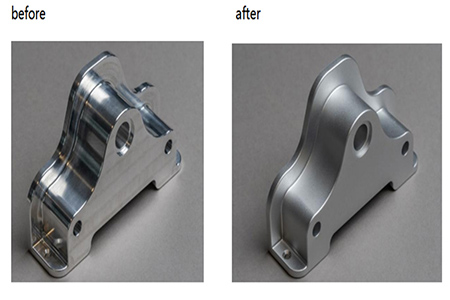
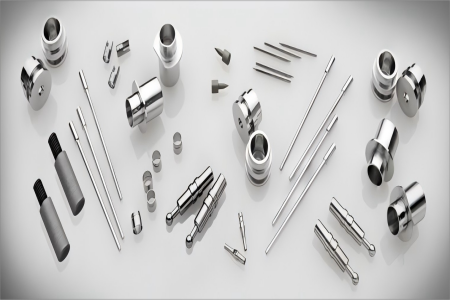
OEM manufacturers need professional anodizing services because precision aluminum components require controlled surface performance, stable quality, and long-term reliability. While machining determines the shape and dimensional accuracy of a component, anodizing determines how well that component performs in real-world environments.
For industries including aerospace, medical equipment, automation systems, electronics, optical devices, and industrial machinery, anodizing is not simply a decorative finishing process. It is an engineered surface treatment that improves corrosion resistance, wear resistance, appearance consistency, and product durability.
HKBOSTEC supports OEM customers by combining manufacturing experience with advanced surface finishing capabilities. Through professional anodizing services for oems, HKBOSTEC helps manufacturers achieve consistent aluminum component quality while ensuring that surface treatment requirements align with production specifications.
For precision components, selecting the right anodizing partner at an early manufacturing stage can reduce quality risks, prevent unnecessary rework, and improve overall production efficiency.
OEM manufacturers choose professional anodizing because surface treatment directly affects component performance. A poorly controlled anodizing process can create problems that are difficult and expensive to correct after assembly.
Professional anodizing provides manufacturers with:
| Requirement | Manufacturing Benefit |
|---|---|
| Corrosion resistance | Protects aluminum components against moisture, chemicals, and environmental exposure |
| Surface hardness | Improves resistance against scratches, friction, and mechanical wear |
| Dimensional control | Maintains precision requirements through controlled coating thickness |
| Appearance consistency | Ensures stable color and surface quality between production batches |
| Long-term reliability | Extends service life of aluminum components in demanding applications |
For OEM production, consistency is often more important than achieving a single successful sample. Components must maintain the same quality level across hundreds or thousands of units.
A professional anodizing supplier understands the relationship between:
Aluminum alloy selection
CNC machining conditions
Surface preparation
Anodizing parameters
Final inspection requirements
This technical understanding allows OEM manufacturers to achieve repeatable results instead of relying on trial-and-error finishing methods.
Anodizing improves aluminum components by creating a controlled oxide layer on the material surface. Unlike paint or other surface coatings, anodizing forms an integral layer with the aluminum itself, providing stronger adhesion and improved durability.
The anodized layer provides several important advantages for OEM applications.
Aluminum naturally develops a thin oxide layer when exposed to air. However, controlled anodizing significantly increases the thickness and stability of this protective layer.
This makes anodized aluminum suitable for applications exposed to:
Humidity
Outdoor environments
Industrial chemicals
Temperature variations
Examples include equipment housings, industrial panels, electronic enclosures, and transportation components.
Many precision components operate under repeated movement or mechanical contact. Standard aluminum surfaces may experience scratches, abrasion, or surface degradation over time.
Hard anodizing creates a thicker oxide layer with higher hardness, making it suitable for components requiring:
Reduced surface wear
Improved durability
Better friction resistance
Longer service life
For OEM products, appearance consistency can influence customer perception and brand value.
Anodized finishes provide:
Uniform metallic appearance
Stable color options
Better resistance to surface damage compared with painted finishes
Professional appearance for visible components
This combination of function and appearance makes anodizing a preferred choice for many aluminum products.
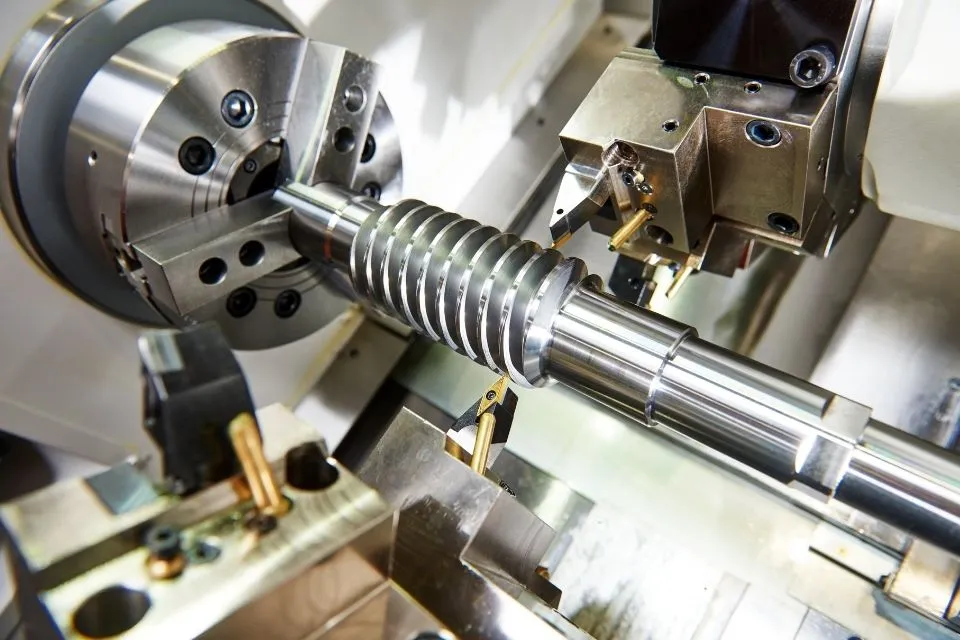
CNC machining provides excellent dimensional accuracy, but machined aluminum surfaces are not always ready for final application without additional protection.
During machining, aluminum components may experience:
Tool marks
Surface contamination
Exposure of fresh metal surfaces
Reduced environmental resistance
A properly controlled anodizing process protects the machined surface while maintaining the required component specifications.
HKBOSTEC helps OEM customers integrate precision machining services with surface finishing requirements, allowing engineers to consider anodizing requirements during the manufacturing planning stage.
This integrated approach reduces communication issues between machining and finishing suppliers. Instead of treating anodizing as an independent final step, manufacturers can evaluate the complete production process from material selection to finished components.
For example, an aluminum enclosure for industrial equipment may require:
| Manufacturing Stage | Key Considerations |
| Material selection | Choose aluminum alloy suitable for machining and anodizing |
| Precision machining | Achieve required dimensions and surface quality |
| Surface preparation | Remove machining residue and prepare consistent surfaces |
| Anodizing process | Apply controlled oxide layer according to specifications |
| Quality inspection | Verify dimensions, appearance, and coating performance |
When surface treatment requirements are considered before machining begins, OEM manufacturers can avoid problems such as dimensional mismatch, poor coating adhesion, and inconsistent appearance.
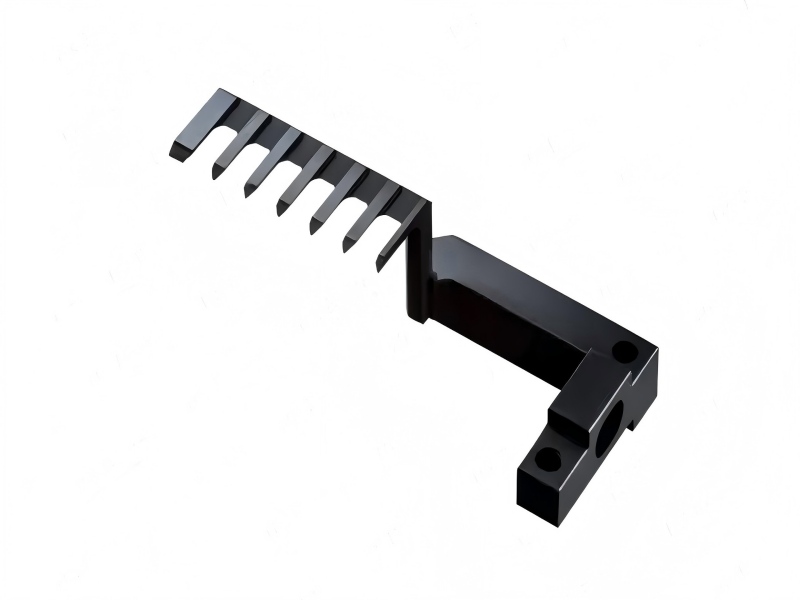
Different OEM applications require different anodizing processes. The correct solution depends on component function, operating environment, durability requirements, and appearance expectations.
Type II anodizing is widely used for general industrial and commercial aluminum components. It provides reliable corrosion resistance while supporting different decorative finishes.
Common applications include:
Electronic housings
Equipment covers
Industrial panels
Consumer product components
It is suitable when manufacturers require balanced protection, appearance, and cost efficiency.
Hard anodizing is designed for components exposed to higher mechanical stress. Compared with standard anodizing, it produces a thicker and harder oxide layer.
Typical applications include:
Aerospace components
Precision mechanical parts
Industrial tools
Hydraulic equipment
Hard anodizing is selected when surface durability and wear resistance are critical.
Colored anodizing allows OEM manufacturers to achieve customized appearance requirements while maintaining the protective benefits of anodized surfaces.
Applications include:
Premium equipment
Consumer electronics
Branded industrial products
Customized aluminum parts
However, achieving consistent color requires strict control of alloy composition, surface preparation, and process parameters.
For precision components, anodizing requires careful engineering consideration because the oxide layer changes the surface dimensions.
Important factors include:
| Control Factor | Why It Matters |
| Coating thickness | Prevents interference with assembly tolerances |
| Masking accuracy | Protects areas requiring electrical contact or mechanical fitting |
| Alloy compatibility | Ensures stable surface results |
| Surface preparation | Improves finish quality and coating consistency |
| Inspection procedures | Maintains production reliability |
Professional anodizing suppliers evaluate these requirements before processing rather than applying a standard treatment to every component.
For OEM manufacturers, anodizing quality directly affects the reliability and market performance of finished products. A component may meet machining specifications but still fail to meet customer expectations if the surface treatment is inconsistent or unsuitable for the application.
Common problems caused by poor anodizing include:
Color variation and surface defects are among the most visible quality issues.
For OEM products where appearance matters, inconsistent anodizing can lead to:
Different colors between production batches
Uneven surface texture
Visible finishing defects
Increased inspection rejection rates
This is especially important for electronics, industrial equipment, and branded components where customers expect a consistent appearance.
Precision aluminum components often require strict dimensional control. Since anodizing creates an additional oxide layer on the surface, uncontrolled coating thickness may affect:
Assembly compatibility
Component fitting
Mechanical performance
Final product accuracy
A professional anodizing process considers dimensional requirements before treatment to ensure that the finished component remains within acceptable tolerances.
Incorrect anodizing parameters can result in insufficient protection. Components operating in demanding environments may experience:
Faster oxidation
Surface degradation
Reduced service life
Increased maintenance requirements
For industrial OEM applications, surface treatment quality is directly connected to product reliability.
When anodizing defects are discovered after finishing, manufacturers may need to repeat multiple production steps.
This can create:
Additional processing costs
Longer delivery times
Increased quality control workload
Customer dissatisfaction
Selecting an experienced anodizing supplier helps OEM manufacturers prevent these issues before they affect production.
Choosing an anodizing partner requires more than comparing processing prices. OEM manufacturers should evaluate whether a supplier can consistently meet technical requirements, production schedules, and quality expectations.
The following factors are essential when selecting a professional anodizing supplier.
Anodizing precision components requires knowledge of both surface treatment and manufacturing processes.
A capable supplier should understand:
Tight dimensional tolerances
Complex component geometries
Material differences
Functional surface requirements
Production repeatability
Suppliers experienced with OEM manufacturing can identify potential issues earlier and provide better technical recommendations.
Not all aluminum materials produce the same anodizing results. Alloy composition affects:
Surface appearance
Hardness
Corrosion resistance
Color consistency
Professional anodizing providers evaluate the material before processing to select suitable treatment conditions.
OEM manufacturers usually require consistent results across long-term production orders.
A reliable anodizing partner should control:
| Quality Control Stage | Purpose |
|---|---|
| Material verification | Confirms aluminum alloy suitability |
| Surface inspection | Ensures proper preparation before anodizing |
| Process monitoring | Maintains stable anodizing conditions |
| Thickness measurement | Controls dimensional impact |
| Final inspection | Verifies finished component quality |
Strong quality control reduces unexpected production problems and improves supply chain stability.
OEM projects often involve customized requirements rather than standard products.
A professional anodizing supplier should be able to communicate about:
Product drawings
Surface finish requirements
Application environment
Functional requirements
Production volume
Early technical communication allows manufacturers to optimize designs before production begins.
HKBOSTEC understands that OEM customers need reliable manufacturing support throughout the entire production process. Surface treatment quality depends on how well machining, material selection, and finishing requirements are coordinated.
Instead of treating anodizing as a separate step, HKBOSTEC considers the complete manufacturing workflow, helping customers achieve better consistency and production efficiency.
The company supports OEM projects through:
Engineering communication
Customized production solutions
Manufacturing coordination
Surface finishing support
Quality-focused production management
By integrating CNC machining services with anodizing capabilities, HKBOSTEC helps OEM manufacturers simplify supplier coordination and maintain better control over component quality.
This integrated manufacturing approach is especially valuable for customers producing:
Custom aluminum components
Precision mechanical parts
Industrial equipment components
Electronic housings
Specialized OEM products
For manufacturers requiring customized aluminum solutions, working with a partner that understands both machining and anodizing requirements can significantly improve production reliability.
Professional anodizing is widely used across industries where aluminum components require lightweight construction, durability, and reliable surface performance.
Electronic products often require aluminum housings that provide both protection and premium appearance.
Anodized aluminum is commonly used for:
Equipment enclosures
Control panels
Heat dissipation components
Protective covers
The anodized layer improves corrosion resistance while maintaining the lightweight characteristics of aluminum.
Automation systems operate continuously and often require components with long service life.
Typical anodized components include:
Machine brackets
Precision frames
Mechanical supports
Motion system components
Wear-resistant anodized surfaces help improve operational reliability and reduce maintenance requirements.
Medical equipment manufacturers require components with stable performance and consistent quality.
Anodized aluminum provides advantages such as:
Durable surface protection
Easy maintenance
Consistent appearance
Reliable long-term performance
For OEM medical equipment suppliers, manufacturing consistency is critical because component reliability affects the final device.
Aerospace and transportation industries require materials that combine lightweight characteristics with durability.
Hard anodizing is often selected for components requiring:
Improved wear resistance
Corrosion protection
Long service life
Stable performance under demanding conditions
Because these industries often involve strict engineering requirements, professional anodizing control is essential.
Many OEM manufacturers develop customized equipment requiring specially designed aluminum parts.
These projects may involve:
Unique component designs
Low or medium production volumes
Specific surface requirements
Tight manufacturing tolerances
A flexible anodizing partner can provide customized solutions while maintaining consistent quality.
Considering anodizing requirements during the product design stage helps OEM manufacturers achieve better quality, reduce production adjustments, and improve overall manufacturing efficiency.
Many surface treatment problems are caused not by the anodizing process itself, but by designs that do not consider finishing requirements in advance.
Key design considerations include the following.
The choice of aluminum alloy has a significant influence on anodizing results.
Different alloys may produce differences in:
Surface appearance
Color uniformity
Hardness
Corrosion resistance
Final coating quality
Engineers should select materials based on both machining requirements and anodizing performance.
For example, an alloy suitable for precision machining may not always provide the ideal anodized appearance. Early communication between the engineering team and anodizing supplier helps identify the best material solution.
Because anodizing adds an oxide layer to the aluminum surface, designers should consider coating thickness when defining critical dimensions.
Important considerations include:
Assembly interfaces
Precision fitting areas
Threaded sections
Moving components
Contact surfaces
Proper tolerance planning prevents problems such as:
Difficult assembly
Component interference
Additional machining after finishing
Some component areas may need to remain untreated because they serve specific functional purposes.
Examples include:
Electrical contact points
Grounding areas
Precision mating surfaces
Threaded sections
Identifying masking requirements before production begins helps improve efficiency and avoid unnecessary rework.
The final anodized appearance depends heavily on the original surface condition.
Manufacturers should consider:
Machining marks
Surface roughness
Polishing requirements
Brushing direction
Decorative expectations
A carefully planned surface finish before anodizing leads to better visual consistency and higher-quality results.
For OEM manufacturers, supplier reliability is as important as technical capability. A high-quality anodizing partner helps reduce uncertainty throughout the production process.
Professional anodizing contributes to supply chain stability by providing:
OEM customers often require repeat orders over months or years. Stable anodizing processes ensure that future production batches maintain the same quality standards as initial samples.
Working with multiple suppliers for machining and finishing can increase communication difficulties.
An integrated manufacturing partner helps reduce:
Information transfer errors
Production delays
Quality responsibility conflicts
Scheduling problems
Experienced anodizing suppliers can provide technical feedback during product development.
This support helps OEM manufacturers optimize:
Component design
Material selection
Surface requirements
Production processes
A collaborative approach creates better results than treating suppliers as simple processing vendors.
OEM manufacturers need professional anodizing services because precision components require controlled surface performance. Professional anodizing improves corrosion resistance, wear resistance, dimensional stability, and appearance consistency while helping manufacturers maintain reliable production quality.
Yes. Anodizing creates an oxide layer on the aluminum surface, which slightly changes component dimensions. Professional suppliers control coating thickness carefully to ensure finished parts remain within required tolerances.
Standard anodizing is mainly used for corrosion protection and decorative finishing, while hard anodizing creates a thicker and harder oxide layer designed for components requiring improved wear resistance and durability.
Yes. Professional anodizing is widely used for customized OEM aluminum parts in industries such as electronics, automation, aerospace, medical equipment, and industrial machinery.
Consistent anodizing quality requires proper material selection, controlled surface preparation, stable processing parameters, coating thickness monitoring, and final inspection procedures. Working with an experienced anodizing supplier is essential for long-term production consistency.
Yes. Considering anodizing during design helps engineers manage tolerances, masking areas, material selection, and surface requirements. Early planning reduces production risks and improves manufacturing efficiency.
Professional anodizing services are a critical part of modern OEM manufacturing because precision components require reliable surface performance, not only accurate dimensions.
A properly controlled anodizing process improves corrosion resistance, wear durability, appearance consistency, and long-term component reliability. For manufacturers producing aluminum precision parts, selecting an experienced anodizing partner helps reduce production risks and maintain stable product quality.
HKBOSTEC supports OEM customers by combining manufacturing expertise with professional surface treatment capabilities. Through coordinated machining and anodizing solutions, HKBOSTEC helps customers develop high-quality aluminum components for demanding industrial applications.
From product development to mass production, professional anodizing expertise enables OEM manufacturers to achieve better performance, improved consistency, and stronger supply chain reliability.