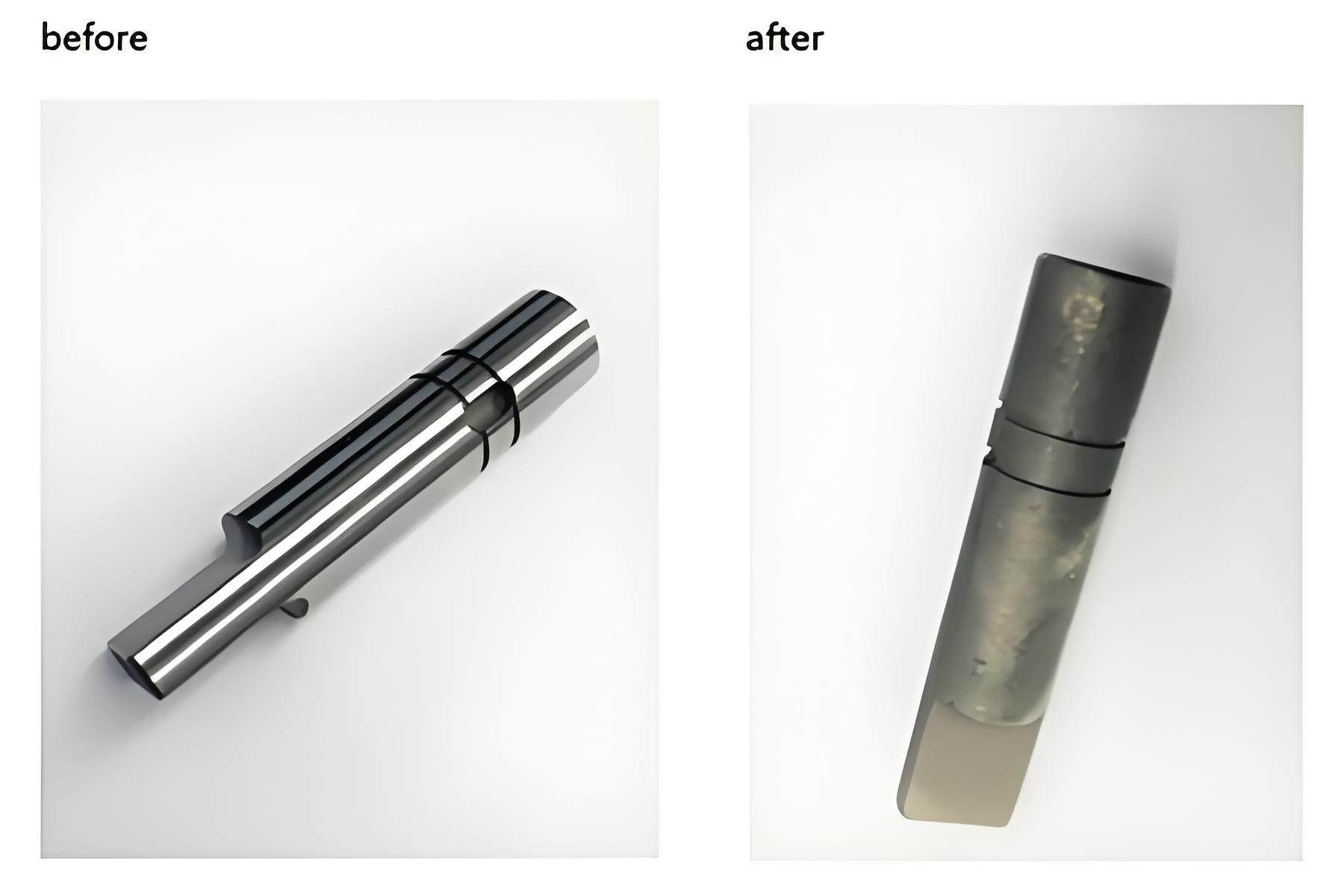
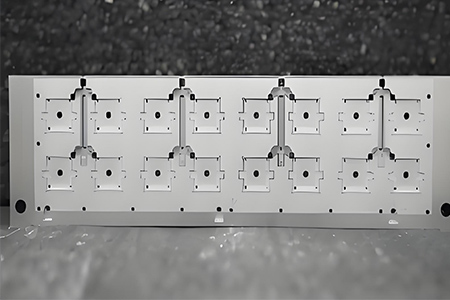
In 2026, the competitive landscape for premium consumer electronics has reached a point where the surface of a device communicates brand quality as powerfully as its internal specifications. Consumers who spend premium prices on smartphones, smartwatches, earbuds, laptops, gaming controllers, and wearables have developed sophisticated expectations for surface durability — they expect the device to look and feel as premium after six months of daily use as it did on the day of purchase. Scratches that appear within weeks, fingerprint marks that accumulate within seconds of handling, coatings that become sticky or discolored after contact with sweat and sunscreen, and painted edges that chip during normal use are no longer tolerated as acceptable wear — they are treated as quality failures that generate negative reviews, warranty claims, and brand reputation damage.
Coating and painting for premium electronics has evolved from a cosmetic finishing step into an engineered product value system. Surface finishing for electronics now encompasses anti-fingerprint coating that keeps touch surfaces clean, scratch-resistant paint that protects appearance through years of daily use, sweat-resistant and chemical-resistant surface treatments that maintain coating integrity through the chemical exposure of real-world use, EMI shielding coating that provides functional electromagnetic protection in plastic housings, and UV hard coat and DLC-like high-hardness coatings that deliver the surface durability that premium brand positioning requires. Each of these technologies addresses a specific failure mode that, if not engineered out of the product, will create commercial consequences for the brand.
Bostec offers coating and painting services designed to protect and enhance component appearance, with custom solutions tailored to client specifications — providing the precision coating services for consumer electronics that premium brands need to deliver durable, high-quality surface finishes at production scale. This guide covers the complete picture for electronics brand managers, product engineers, and procurement teams: why surface failures create serious commercial consequences, what coating and painting for electronics is and how it differs from standard industrial painting, how multi-layer coating systems deliver wear resistance and functional protection, how to select the right coating specification for specific applications, and what procurement and handling practices protect coating quality through production and assembly.
The business case for investing in advanced coating and painting systems starts with an honest accounting of what surface failures actually cost — not just in replacement parts, but in brand equity, customer loyalty, and competitive positioning.
Fingerprint accumulation is the most immediately visible surface quality problem in premium electronics and one of the most commercially damaging. A premium smartphone or smartwatch that shows fingerprint marks within seconds of being touched communicates low quality regardless of internal performance. For brands competing on craftsmanship and premium positioning, fingerprint visibility affects purchase decisions, product reviews, and repeat purchase rates in ways that are difficult to quantify but commercially significant.
Scratch damage from daily use is the failure mode most directly linked to perceived product longevity and value. Keys in a pocket, dust particles on a desk, packaging friction during retail handling, and assembly contact during manufacturing all create scratch risk. A device showing visible scratches within weeks of purchase generates negative reviews and the perception that premium pricing is not justified by durability — a brand positioning problem that is expensive to repair.
Sweat and chemical corrosion is particularly damaging for wearables and handheld devices. Human sweat contains salt, lactic acid, and other compounds that attack poorly formulated coatings — causing discoloration, surface degradation, and delamination. Sunscreen, cosmetics, alcohol cleaning wipes, and hand sanitizers create additional chemical attack risk that standard decorative coatings cannot withstand. For wearable brands, sweat resistance is not a performance enhancement — it is a baseline requirement.
Coating adhesion failure — peeling, blistering, or delamination — is the most severe surface failure mode because it is irreversible and immediately communicates a fundamental quality failure. Adhesion failure is caused by inadequate surface pretreatment, incompatible primer selection, or insufficient curing — process control failures that a properly engineered coating system prevents.
For B2B electronics manufacturers supplying branded products to global retailers, these surface failure modes translate into higher warranty claim rates, negative product reviews that affect future sales, cosmetic defect rejections at assembly that reduce production yield, retailer chargebacks for quality failures, and brand image damage that is difficult and expensive to repair. The cost of investing in a properly engineered coating system is consistently lower than the cost of managing the commercial consequences of surface failures at scale.
Understanding what coating and painting for electronics is — and why the specific requirements of premium electronics surface finishing demand specialized process capability that standard industrial painting cannot provide — is the foundation for evaluating coating supplier options correctly.
Coating and painting for electronics refers to applying protective, decorative, or functional layers onto plastic, metal, or composite electronic components — creating a surface system that simultaneously delivers visual appearance, tactile quality, wear resistance, chemical resistance, and functional performance. Bostec describes its coating and painting services as advanced techniques that provide high-quality finishes according to client specifications, with protection, aesthetic enhancement, and custom solutions as core features.
The critical distinction between surface finishing for electronics and standard industrial painting is the combination of requirements that must be satisfied simultaneously. Standard industrial painting primarily provides corrosion protection and color — requirements that can be met with relatively simple coating systems. Electronics coating must provide precise color consistency for brand identity, tight thickness control for assembly tolerance compliance, strong adhesion to plastic and metal substrates with complex geometries, scratch resistance for daily use, anti-fingerprint performance for touch surfaces, chemical resistance for sweat and cleaning agent exposure, and in some applications functional performance such as EMI shielding — all within a system that must be applied consistently at production scale with a low cosmetic defect rate.
| Requirement | Why It Matters for Electronics Coating |
|---|---|
| Thin and controlled coating thickness | Maintains tight assembly tolerances for clips, buttons, and connectors |
| Strong adhesion to plastic and metal | Prevents peeling after handling, assembly, and daily use |
| Scratch resistance | Protects appearance during daily use and retail handling |
| Anti-fingerprint performance | Maintains clean appearance on high-touch surfaces |
| Chemical resistance | Resists sweat, alcohol wipes, cosmetics, and cleaning agents |
| Color consistency | Supports premium brand identity across production batches |
| Low cosmetic defect rate | Reduces assembly rejection and warranty risk |
| Functional coating options | Supports EMI shielding, insulation, or conductivity requirements |
The technical mechanism by which advanced multi-layer coating systems deliver the combination of wear resistance, anti-fingerprint performance, chemical resistance, and functional protection that premium electronics require — and why each layer plays a specific and irreplaceable role — is the core engineering knowledge that product engineers need to specify coating systems correctly.
A durable electronics coating system uses multiple layers rather than a single paint film, with each layer contributing a specific performance function to the complete system.
| Coating Layer | Primary Function | Performance Contribution |
|---|---|---|
| Surface pretreatment | Cleans and activates the substrate | Improves adhesion — the foundation of all subsequent layers |
| Primer layer | Bonds coating system to plastic or metal | Reduces peeling risk — critical for long-term adhesion |
| Base color coat | Provides color, opacity, and brand appearance | Creates the visual identity of the product |
| Functional coating | Adds specific performance properties | Anti-fingerprint, EMI shielding, UV resistance, or sweat resistance |
| UV hard coat | Increases surface hardness through UV curing | Improves scratch resistance — critical for daily use durability |
| Topcoat | Controls gloss level, matte feel, or surface texture | Determines the tactile quality and visual premium of the finished surface |
Anti-fingerprint coating is the most commercially important functional coating for premium electronics touch surfaces. It reduces the adhesion of skin oils to the surface — making fingerprint marks less visible and easier to remove. For glossy black, metallic, white, and transparent electronics housings where fingerprint visibility is most severe, anti-fingerprint coating is a brand-level requirement. The critical performance parameter is durability under repeated rubbing and cleaning — an anti-fingerprint coating that loses effectiveness after weeks of use provides no long-term brand value and may create worse user perception than no anti-fingerprint treatment at all.
Scratch-resistant paint and UV hard coat address the wear resistance requirement most directly linked to perceived product longevity. UV curing creates a harder surface layer than conventional air-dried or oven-baked coatings — providing better resistance to the scratching, rubbing, and abrasion that daily use creates. For electronics housings regularly placed on hard surfaces, carried in pockets with keys, or handled during retail demonstration, scratch-resistant paint is the difference between a device that looks new after months of use and one that shows cosmetic wear within weeks.
Sweat-resistant and chemical-resistant coating is the functional requirement most critical for wearables, handheld devices, and any electronics regularly handled by users. A coating system that resists salt, lactic acid, and other compounds in human sweat — as well as alcohol cleaning wipes, sunscreen, and cosmetics — maintains its appearance and adhesion through the chemical exposure that daily use creates. Testing sweat resistance and chemical resistance under realistic use conditions is an essential validation step before mass production commitment.
EMI shielding coating addresses the functional requirement that arises when plastic electronic housings need electromagnetic interference protection but cannot use a full metal enclosure. An EMI shielding coating applies a conductive layer to the interior surface of a plastic housing — providing electromagnetic shielding performance while maintaining the weight, design flexibility, and cost advantages of plastic construction. For wireless devices, IoT products, and medical electronics where EMI compliance is a regulatory requirement, EMI shielding coating is a functional necessity.
DLC-like and high-hardness coatings represent the premium tier of electronics surface finishing — providing the highest available surface hardness, the deepest luxury finish, and the strongest long-term wear resistance for parts requiring the most demanding performance specifications. These coatings are appropriate for premium watch cases, high-end smartphone frames, and other components where the combination of extreme wear resistance and luxury visual quality justifies the higher process complexity and cost.
Soft-touch coating provides the tactile quality improvement that premium handheld devices require — a slightly rubberized, velvety surface feel that improves grip, reduces slippage, and creates a premium tactile experience that differentiates the product from competitors using standard hard coatings. Soft-touch coatings must be tested for sweat resistance and oil resistance because their surface chemistry can be more susceptible to degradation from skin contact than hard coatings.
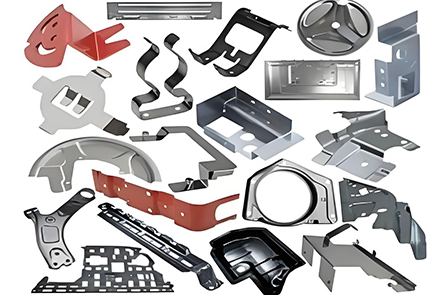
The selection of the right coating system for a specific electronics application requires evaluating the substrate material, user contact frequency, chemical exposure profile, assembly tolerance requirements, functional performance needs, and brand appearance standards — and understanding how the complete coating process system must be controlled to deliver consistent quality at production scale.
| Coating Technology | Best Application | Primary Performance Benefit | Key Specification Consideration |
|---|---|---|---|
| Standard decorative paint | Basic plastic housings, non-touch surfaces | Color and appearance | Limited wear and chemical resistance |
| UV hard coat | Glossy electronics, touch surfaces, laptop covers | Better scratch resistance | Requires controlled UV curing process |
| Soft-touch coating | Premium handheld devices, controllers | Better grip and tactile quality | Must test sweat and oil resistance durability |
| Anti-fingerprint coating | Glossy, matte, and high-touch surfaces | Cleaner appearance, easier cleaning | Must verify durability after repeated rubbing |
| Scratch-resistant paint | Consumer electronics housings, wearables | Improved cosmetic lifespan | Requires abrasion testing to specified standard |
| EMI shielding coating | Plastic electronic enclosures | Functional electromagnetic protection | Must test conductivity and shielding effectiveness |
| DLC-like high-hardness coating | Premium high-wear parts, luxury devices | Maximum hardness and luxury finish | Higher cost — justified for premium tier products |
| Process Stage | Quality Risk If Inadequately Controlled |
|---|---|
| Material review and substrate compatibility | Poor adhesion or coating cracking on incompatible substrates |
| Surface cleaning and pretreatment | Fish eyes, peeling, and adhesion failure from contamination |
| Masking of functional areas | Assembly problems from coating on contacts, threads, or connectors |
| Primer application | Peeling after handling and use from inadequate bonding |
| Color coating | Color mismatch and batch inconsistency |
| Functional coating application | Poor anti-fingerprint, EMI, or chemical resistance performance |
| UV curing or baking | Weak film strength and poor scratch resistance from under-curing |
| Final inspection | High cosmetic rejection rate at assembly |
| Packaging | Scratches and surface damage during shipment |
Precision coating services for consumer electronics deliver the most commercial value for: premium smartphone brands where surface quality is a primary purchase decision factor, smartwatch and wearable manufacturers where sweat resistance and daily wear durability are critical performance requirements, gaming controller and peripheral manufacturers where grip quality and scratch resistance affect user experience, medical electronics manufacturers where chemical resistance to cleaning agents and disinfectants is a regulatory requirement, industrial handheld terminal manufacturers where durability in harsh environments is a primary specification, and audio device manufacturers where the combination of premium appearance and daily handling durability is a brand positioning requirement.
Specifying and procuring precision coating services for consumer electronics requires systematic pre-procurement evaluation of both technical requirements and supplier process capability — and careful handling and storage practices that protect coating quality through the supply chain and assembly process.
Before sending RFQ files to a coating supplier, prepare and confirm the following:
Provide 2D drawings and 3D CAD files with coating area clearly defined — coating suppliers need accurate geometry information to evaluate masking requirements, coverage, and process feasibility
Specify the substrate material — ABS, PC, PC+ABS, aluminum, magnesium alloy, stainless steel, or other — and confirm that the supplier has demonstrated experience coating the specific substrate
Define the target finish — glossy, matte, metallic, soft-touch, or transparent — and provide a physical color and finish sample for reference
Specify the gloss level requirement in gloss units at the appropriate measurement angle, with acceptable tolerance range
Specify the coating thickness tolerance and confirm that the specified coating thickness is compatible with the assembly clearances of the part
Specify the anti-fingerprint performance requirement and the test method for verifying durability — rubbing cycles, cleaning agent exposure, and visual evaluation criteria
Specify the scratch resistance requirement and the test method — pencil hardness, Taber abrasion, or cross-hatch adhesion testing
Specify the sweat resistance and chemical resistance requirements — including the specific chemicals, concentrations, exposure duration, and acceptance criteria
Specify the EMI shielding requirement if applicable — including the frequency range, shielding effectiveness target, and test method
Specify the masking requirements — all functional areas, contacts, threads, holes, and connectors that must be protected from coating
Provide annual volume estimate, prototype quantity, and mass-production schedule — these parameters affect process investment, tooling, and lead time planning
Specify the packaging requirement for cosmetic surfaces — protective film, dedicated trays, and separation materials for premium coated parts
Keep protective film or packaging on all coated surfaces until final assembly — the protective film is the primary defense against surface damage during transport, storage, and handling
Avoid stacking coated parts without protective separators — direct contact between coated surfaces creates pressure marks and scratches that are particularly visible on glossy and anti-fingerprint surfaces
Use clean cotton or nitrile gloves when handling glossy or anti-fingerprint surfaces — fingerprints and skin oils on anti-fingerprint coated surfaces can be difficult to remove without risk of surface damage
Avoid abrasive cleaning cloths and unapproved cleaning agents — use only cleaning methods and agents that have been validated for the specific coating system
Avoid alcohol or solvent exposure unless the coating has been specifically tested and approved for solvent resistance
Inspect high-touch areas during reliability testing — validate coating performance under realistic use conditions before mass production commitment
Keep color code, coating specification, and batch records for every production run — this documentation is essential for color matching in future production batches and for investigating quality issues
In 2026, consumers expect premium electronics to maintain their appearance and tactile quality through years of daily use — and brands that cannot deliver this expectation face negative reviews, warranty costs, and competitive disadvantage that erode the premium positioning they have invested in building. Advanced coating and painting systems — combining anti-fingerprint coating, scratch-resistant paint, sweat-resistant surface treatment, EMI shielding coating, UV hard coat, and DLC-like high-hardness coatings in engineered multi-layer systems — are the manufacturing capability that translates premium material specifications into premium user experiences that last.
For B2B electronics manufacturers, the right coating partner reduces cosmetic defects, improves product durability, strengthens brand positioning, and supports the higher product premiums that premium surface quality justifies. Bostec offers coating and painting services focused on protection, appearance enhancement, and customized finishing according to client specifications — with the process capability and technical support that precision coating services for consumer electronics require.
Contact Bostec today to discuss your electronics housing material, target finish, coating thickness, anti-fingerprint requirements, scratch-resistance goals, EMI shielding needs, CAD drawings, prototype samples, and mass-production plan. The Bostec team can help develop a customized coating and painting solution that delivers the surface quality your premium electronics brand demands.
Q1: What is coating and painting for electronics and why is it different from standard industrial painting?
Coating and painting for electronics is the process of applying protective, decorative, or functional surface layers to plastic, metal, or composite electronic components. It differs from standard industrial painting because it must simultaneously satisfy tight thickness tolerances for assembly compliance, strong adhesion to plastic and metal substrates, scratch resistance for daily use, anti-fingerprint performance for touch surfaces, chemical resistance for sweat and cleaning agent exposure, precise color consistency for brand identity, and in some applications functional performance such as EMI shielding — all at a low cosmetic defect rate in production.
Q2: Why do premium electronics need scratch-resistant paint?
Premium electronics are frequently touched, carried in pockets with keys, placed on hard surfaces, and handled during retail demonstration and assembly. Scratch-resistant paint — typically applied as a UV hard coat — creates a harder surface layer that resists the scratching, rubbing, and abrasion that daily use creates, helping the device maintain its premium appearance through months and years of use rather than showing cosmetic wear within weeks.
Q3: What is an anti-fingerprint coating and how long does it last?
An anti-fingerprint coating is a surface treatment that reduces the adhesion of skin oils to the electronics surface — making fingerprint marks less visible and easier to remove. The durability of anti-fingerprint performance under repeated rubbing and cleaning is the critical performance parameter — buyers should specify the number of rubbing cycles and cleaning agent exposures that the coating must withstand, and verify performance against these criteria before