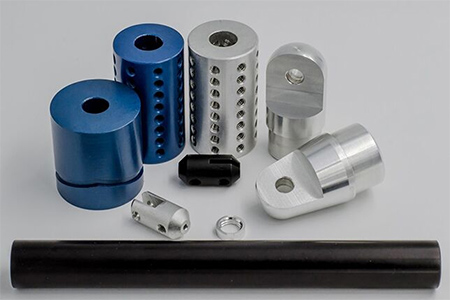
You approved the color in March. By June, the third production lot looks visibly different sitting next to the first—same Pantone reference, same supplier, same alloy on paper. Now you have a mixed shipment, an unhappy brand team, and a rework conversation nobody wants to have.
This is the real challenge when sourcing an anodizing service from China. Lead time and capacity are manageable. Batch-to-batch color consistency across lots, lines, and production months is where programs quietly fall apart. For global brands and contract manufacturers, stable color is a core deliverable in anodizing services for OEMs—because even small shifts cause assembly mismatch, customer complaints, and costly rework.
This guide explains why color drift happens, how to prevent it, and what to specify to protect your program at scale.
Most color failures in production aren't dramatic. They accumulate quietly—lot three looks slightly different from lot one, lot five is noticeably off from the approved golden sample. By the time the issue surfaces, multiple shipments are already in the pipeline.
"Same Pantone" reference but visibly different appearance across production dates
Noticeable color delta between parts run on different tanks or lines
Color drift after sealing, aging, or UV exposure in the field
Inconsistent appearance between cosmetic zones on the same part
Alloy and temper variation 6061 and 6063 anodize differently even at identical process settings. Billet source changes—even within the same nominal alloy—alter grain structure and surface response. If incoming material isn't controlled, color output varies regardless of process discipline.
Surface condition variation Machining marks, bead blast media differences, and Ra inconsistency change how the anodize layer forms and how dye absorbs. A surface that is 10% rougher than the approved standard will anodize darker. This is one of the most under-controlled variables in production.
Bath chemistry drift Acid concentration, dissolved aluminum buildup, bath temperature, and current density all shift the anodize layer thickness and porosity. Thicker layers absorb more dye; thinner layers absorb less. Without logged parameter control per lot, chemistry drift goes undetected until the color is already wrong.
Dye lot variance Dye concentrations change across replenishment cycles. A new dye lot introduced mid-program without requalification is a common source of sudden color shift.
Sealing process differences Hot seal, mid-temperature seal, and cold seal produce different surface chemistry and color depth outcomes. Inconsistent sealing time or temperature changes the final appearance—especially on lighter colors.
Inconsistent QA method Visual-only acceptance under uncontrolled lighting is not a repeatable measurement system. Two inspectors in different lighting conditions will accept or reject the same part differently. Without instrument-based measurement and defined viewing standards, "approved" means nothing from lot to lot.
Consistent color at production scale requires a closed-loop control system—not just good intentions at the start of the program. Here is how a properly structured anodizing service operates.
Before a single production part runs, define:
Color target: physical golden sample + spectrophotometer baseline reading + agreed ΔE tolerance (typically ΔE ≤1.5 for tight cosmetic programs, ΔE ≤3.0 for standard OEM programs)
Substrate standard: material certificate required per incoming lot; alloy, temper, and surface finish spec locked before pilot approval
Cosmetic zones: drawings marked with critical vs non-critical surfaces; acceptance criteria differentiated by zone
| Parameter | What to Log | Why It Matters |
|---|---|---|
| Bath temperature | ±1°C per lot | Affects oxide layer growth rate |
| Acid concentration | g/L per shift | Drift changes layer thickness |
| Current density | A/dm² per rack | Determines anodize layer thickness |
| Anodize time | Minutes per lot | Thickness = dye absorption capacity |
| Dye concentration | g/L + lot number | Lot traceability for color matching |
| Sealing time/temp | Minutes + °C | Affects final color depth and corrosion resistance |
Logging these parameters per production lot creates the evidence trail needed for fast root-cause analysis when drift occurs.
Dye management plan: every dye lot is logged with a traceability number. Replenishment follows defined rules—not visual judgment. Filtration prevents contamination buildup that shifts color over time.
Spectrophotometer or colorimeter measurement per lot, not visual-only acceptance
Standard D65 lighting booth with defined viewing angle (typically 45°/°) and neutral gray background
Measurement taken on the same cosmetic zone as the golden sample baseline
Results logged against the ΔE tolerance; out-of-tolerance lots are quarantined before shipment
Every lot in a controlled anodizing service for OEM programs should carry a traceable record from:
Raw material cert → Surface prep batch → Rack plan → Line/tank ID → Bath parameters → Dye lot → Sealing record → Inspection result → Shipment
When drift occurs, this chain tells you exactly where and when—in hours, not weeks.
Color control is not a quality abstraction—it has direct, quantifiable impact on program cost and schedule. Frame your supplier requirements around outcomes you can measure.
| Metric | What Good Looks Like |
|---|---|
| Batch rejection rate (color) | ≤1% of lots out-of-spec ΔE |
| First-pass yield (FPY) | ≥98% on cosmetic acceptance |
| Assembly line mismatch holds | Zero color-related line stoppages |
| Repeat defect rate | Zero repeat failures after CAPA closure |
Reduced rework: strip-and-re-anodize costs 2–4× the original process cost per part; tighter control eliminates most of these events
Shorter PPAP/FAI loops: stable repeatability across three qualification lots compresses approval timelines significantly
Fewer expedited shipments: re-production triggered by color rejection is a major source of unplanned freight cost on OEM programs
Root-cause closure time: with complete parameter logs, a supplier should identify and close a color drift cause within 48–72 hours, not weeks
Predictable scale-up: a process that holds color across 10-piece pilot and 500-piece production lots demonstrates genuine process control, not lucky results
When evaluating anodizing services for OEMs, ask for historical FPY data and lot rejection rates on comparable programs—not just capability statements.
A structured qualification sequence prevents the most common failure mode: approving a color at pilot and discovering it can't be held in mass production.
Do not send a general RFQ. Send a complete specification package:
Target color reference (Pantone number + physical sample if available) + ΔE tolerance
Part drawings with cosmetic critical surfaces and masking requirements marked
Material grade and temper (e.g., 6061-T6); approved substitutions if any
Surface prep requirement (as-machined / bead blast / brushed) + Ra target if applicable
Quantity per batch + annual forecast + expected lot size
Functional requirements: corrosion resistance class, sealing type, salt spray target if required
Packaging requirements: anti-scratch, separation method, cleanroom if applicable
Use the same material heat lot across all pilot variants if possible
Limit surface prep variants to two or three maximum—uncontrolled blasting changes are a leading cause of pilot-to-production color delta
Run the pilot on the same line and tank intended for mass production
Store the approved golden sample at both the supplier and your incoming inspection point
Document the spectrophotometer baseline reading under D65 lighting
Define the process window ranges that produced the approved result: anodize time, temperature, current density, dye concentration, sealing parameters
These ranges become the production control limits—not targets to exceed
Color measurement frequency: minimum once per production lot; more frequently for large lots
Record retention: parameter logs, inspection results, and dye lot records retained for minimum 12 months (or per your program requirement)
Traceability: each shipment tagged with lot number traceable to production records
Define in writing what requires notification and requalification:
Bath chemistry changes beyond the approved window
Dye lot switching: new lot must be requalified against golden sample before production use
Material source changes: new billet supplier requires pilot requalification
Line or tank transfers: any change from the approved production line requires color verification before full production run
Corrective action SLA: if ΔE drift is detected, define the maximum response time (typically 24–48 hours for containment, 5 business days for root cause and corrective action)
Verbal agreements and email approvals do not protect your program. These items belong in the written specification or quality agreement.
ΔE tolerance: specify the threshold (e.g., ΔE ≤1.5 under D65, 45°/0°, neutral gray background)
Visual boundary samples: physical limit samples for the acceptable range of light/dark and hue deviation
Cosmetic zone definitions: which surfaces are measured and which are non-critical
Measurement tool: spectrophotometer model and calibration frequency
Sampling plan: AQL level or per-lot 100% measurement (define by program risk level)
In-process check frequency: bath parameters logged per shift minimum
Dye lot number recorded per production batch
Bath maintenance logs retained and available on request
Rack plan and operator/line ID logged per lot
Document retention period specified
Material source changes: written notification + requalification required before production
Chemistry changes: notification + color verification sample required
Line/tank transfer: color verification required; no production shipment until approved
Inter-layer separation to prevent abrasion (abrasion changes perceived surface color and gloss)
Handling instructions for cosmetic surfaces
Export packaging for ocean freight if applicable
Batch-to-batch color consistency in an anodizing service program doesn't happen by accident—it happens because the right controls are defined before production starts and enforced through every lot that follows. The suppliers who deliver stable color at scale are the ones who treat process parameters, dye traceability, and instrument-based inspection as non-negotiable program infrastructure, not optional additions.
For anodizing services for OEMs, the specification you write before the first pilot lot is the single highest-leverage action available to you. Get that right, and color consistency follows.
To discuss your project and receive a quotation, visit the anodizing service landing page. For accurate feasibility feedback, prepare the following when you reach out:
Part drawings (2D/3D) with cosmetic critical areas marked
Material grade and temper (e.g., 6061-T6 / 6063) and any supplier constraints
Target color reference (Pantone / physical sample / photo) + ΔE tolerance if available
Surface prep requirement and roughness target if applicable
Quantity per batch + annual forecast + expected lot size
Functional requirements: corrosion resistance, sealing type, salt spray target if any
Packaging requirements: anti-scratch, separation method, cleanroom if applicable
Request a quote for anodizing services for OEMs
Q1: What is an anodizing service and what does "color consistency" mean in production?
An anodizing service creates a controlled aluminum oxide layer on the part surface; dyeing and sealing steps produce the final color. "Color consistency" means that different production lots remain visually and instrumentally within an agreed tolerance—measured by ΔE—under defined lighting and viewing conditions. Without an instrument-based measurement system and defined tolerance, "consistent" means something different to every person who inspects a part.
Q2: Dyed anodizing vs hard anodizing—which is better for OEM cosmetics?
Dyed anodizing is the standard choice for decorative color in anodizing services for OEMs. It offers a wide color range, controllable finish, and good cosmetic consistency when properly managed. Hard anodizing produces a thicker, denser layer optimized for wear resistance—the resulting finish is darker and less color-flexible, and not typically used for decorative cosmetic applications. If your program requires both wear resistance and a specific color, a hybrid approach with dyed hard anodize is possible but requires tighter process control and higher cost.
Q3: How do OEMs calculate ROI from tighter color control in anodizing?
Start with what color failures actually cost: rework (strip and re-anodize at 2–4× original process cost), assembly line holds, expedited re-shipments, and customer returns. If you track first-pass yield, rework hours per month, and expedited freight events tied to color mismatch, the cost of one color-related re-production cycle typically exceeds the cost of a full qualification program. Tighter color control in your anodizing service program usually pays back within the first two or three production lots.
Q4: What are the best trial metrics to judge batch consistency during pilot?
The most useful pilot metrics are: ΔE result per lot (measured against the golden sample baseline), first-pass yield on cosmetic acceptance, defect rate broken down by cosmetic zone, repeatability across a minimum of two separate production dates, and color stability after sealing and aging tests where required. A supplier who can demonstrate ΔE ≤1.5 across three pilot lots run on different dates, with logged process parameters for each, has demonstrated real process control—not a one-time result.
Q5: What information is required to get an accurate quote for anodizing services for OEMs?
To quote anodizing services for OEMs accurately, suppliers need: part drawings with cosmetic critical surfaces and masking areas identified; alloy and temper specification; surface prep requirement and Ra target; target color reference with ΔE tolerance; order quantity per lot and annual forecast; functional requirements (corrosion class, salt spray target, sealing type); and packaging standard. Providing incomplete information at the RFQ stage is the most common reason for price changes and schedule delays after program start.