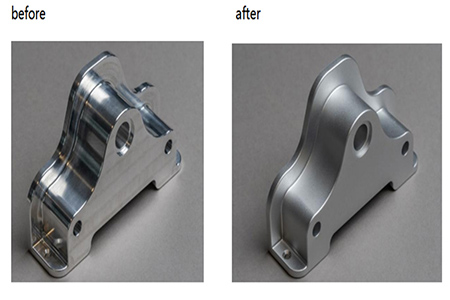
In today's technologically driven world, precision machining services have become the cornerstone of manufacturing excellence. From simple tools to complex machinery parts, precision machining is pivotal in creating components that must meet strict specifications and tolerances. Whether you're curious about CNC machining for aerospace, or delving into custom mold and design, understanding precision machining is essential. This article unpacks the intricacies of precision machining, exploring its definition, the core techniques employed, the tools and machinery utilized, the critical quality control measures, and the various industries that benefit from these advanced services.
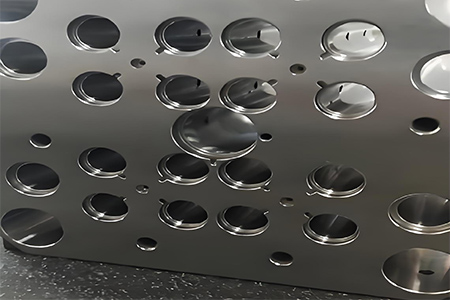
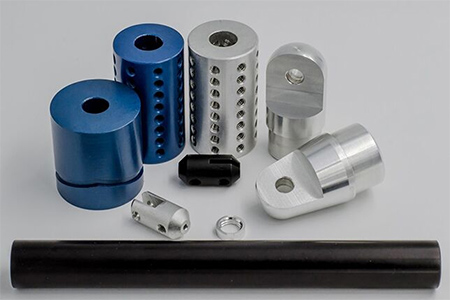
Precision machining refers to the detailed process of creating parts that must adhere to very tight tolerances, often within a fraction of a millimeter. It's characterized by its use of sophisticated equipment and skilled technicians to ensure each component meets exact specifications. This process often involves techniques such as CNC wire EDM, 5 axis CNC machining services, and aerospace precision machining, which allow for the creation of complex and precise components.
The importance of precision machining cannot be understated, especially in critical fields such as the aerospace industry, where CNC aerospace machining and CNC machining aerospace parts are vital for ensuring the safety and functionality of aircraft. Additionally, precision machining finds applications in precision automotive machine and high-precision machining solutions, enabling the production of reliable and high-performance automotive parts.
At the heart of precision machining are a few crucial techniques that define the process. Common methods include CNC machining prototyping, where prototypes are manufactured rapidly and accurately, ensuring they meet design requirements before final production. Another vital technique is wire edm services, used for cutting hard metals to tight tolerances with a thin, electrically charged wire, crucial in producing complex shapes.
Other notable techniques include surface grinding and manual grinding, which are essential for achieving the desired smoothness and flatness in parts. Moreover, advances in high resolution 3d printing have allowed for the rapid prototyping and creation of intricate parts that were previously difficult to produce.
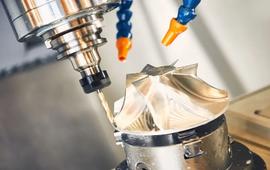
Precision machining relies heavily on specialized tools and state-of-the-art machinery. Essential equipment includes CNC machining milling and precision CNC milling machines, which offer unparalleled accuracy and consistency in machining various materials. Other critical machinery includes CNC milling and turning, which provide the flexibility to handle different dimensions and designs effectively.
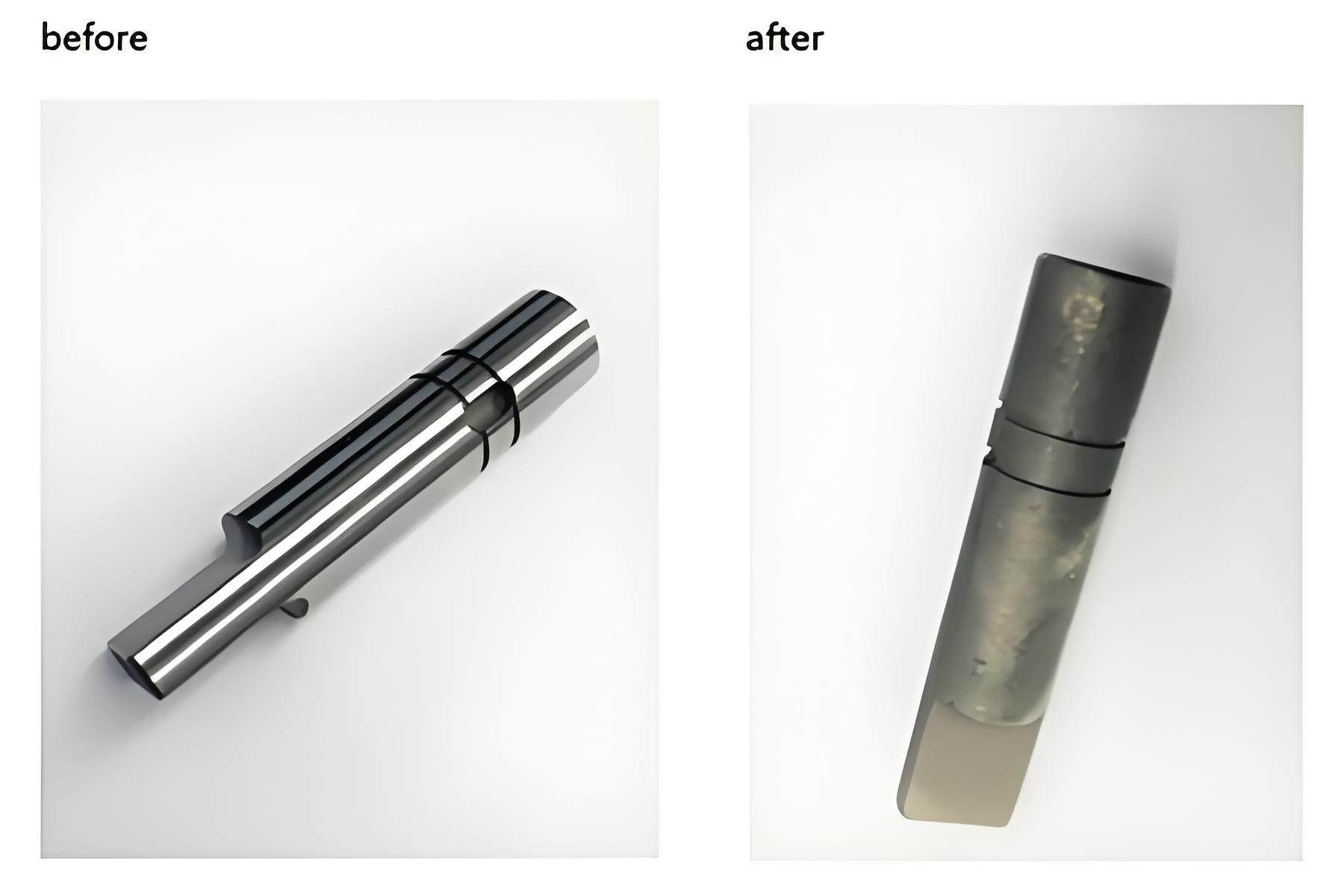
Additionally, accurate tooling solutions are integral to the process, ensuring each piece of equipment is tailored to the specific requirements of the parts being manufactured. Copper electroplating solution and chrome plating solution also play roles in precision machining, offering protective layers that enhance component durability and corrosion resistance.
In precision machining, maintaining quality throughout the manufacturing process is crucial. Rigorous quality control measures ensure that each component meets the defined specifications, reducing errors and increasing reliability. Techniques such as solution heat treatment are implemented to enhance the properties of materials, ensuring they perform optimally in their intended applications.
Furthermore, meticulous inspection processes are carried out at various stages, leveraging advanced technologies like high-precision machining solutions to detect even the slightest deviations from the norm. Coating and painting also form part of the quality control procedures, providing both aesthetic and protective enhancements to the final products.
The reach of precision machining extends across multiple industries, each benefiting from the extreme accuracy and reliability these services offer. Industries such as aerospace machining rely on these services to produce components that ensure the safe and efficient operation of aircraft. Similarly, the automotive sector benefits from precision automotive machine services to produce high-performance and durable components.
The defense sector also leverages precision machining to develop complex systems and machinery crucial for national security. Additionally, industries involved in industrial painting and coating and custom manufacturing solutions see significant enhancements in product performance and longevity due to the meticulous processes involved in precision machining.
Understanding precision machining and its applications is paramount in a world increasingly dependent on precise and reliable components. From the stringent protocols of quality control measures to the advanced techniques like CNC wire edm and 5 axis CNC machining services, precision machining remains an indispensable part of modern manufacturing. As industries continue to evolve, the role of precision machining services will undoubtedly expand, offering even more sophisticated solutions to complex engineering challenges. Whether you're a manufacturer, engineer, or enthusiast, staying informed about these advancements is crucial for future-proofing any involvement in the production of high-quality components.
References:
Engineering.com - The Importance of Precision Machining in Modern Manufacturing
MIT Technology Review - CNC Machining and Industry Innovations