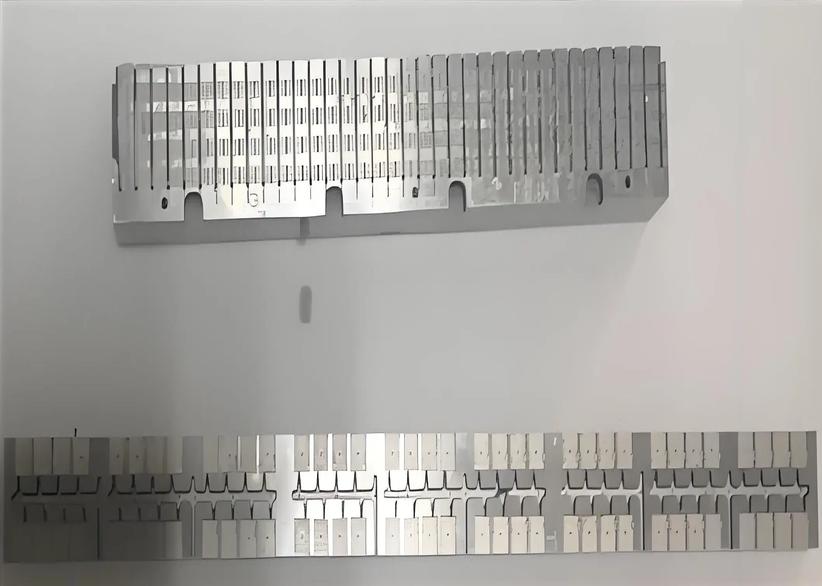
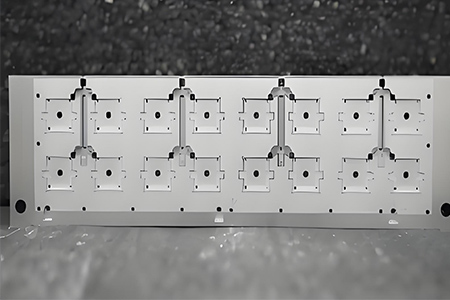
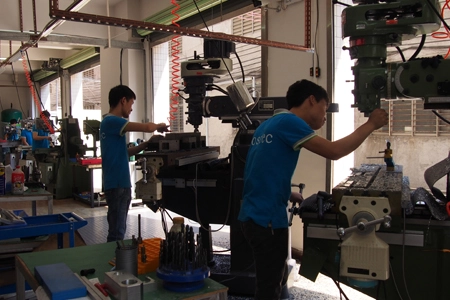
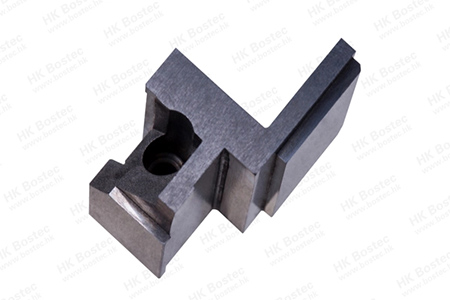
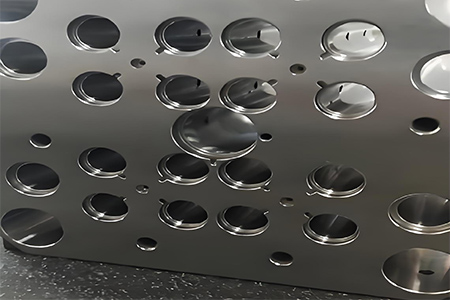
Wire EDM (Electrical Discharge Machining) stands as a pinnacle in the realm of precision machining techniques, enabling the creation of intricate and highly precise components used in various industries. This process, crucial in aerospace machining and CNC machining prototyping, involves the use of a thin wire as an electrode to cut complex shapes from metal workpieces. This high-precision machining solution is relied upon by custom manufacturing solutions providers and precision machining companies worldwide for its ability to handle hard materials and produce fine, intricate details unattainable through other methods. In this article, we explore the principles of Wire EDM, delving into its working mechanisms, key components, applications, and limitations.
Wire EDM is a non-traditional machining process that utilizes electrical discharges or sparks to shape metal workpieces. Unlike conventional tooling methods, which physically cut material, Wire EDM offers a contactless cutting option. This makes it particularly beneficial for creating CNC machining aerospace parts and aerospace precision machining tasks where maintaining the material's inherent properties during machining is crucial. Developed in the mid-20th century, Wire EDM has significantly evolved, embracing CNC machining milling technologies to offer exceptional precision and deliver high-resolution 3D printing quality finishes.
| Aspect | Details |
|---|---|
| Process | Electrical Discharge Machining (EDM) |
| Electrode Type | Wire (typically brass or copper) |
| Key Advantage | No contact machining with high precision, suitable for hard materials |
| Common Materials Processed | Hard metals such as titanium, hardened tool steel |
Wire EDM finds its applications ranging from custom mold and design to precision automotive machine components due to its fine-tuned ability to produce detailed contours and complex geometries.
At the heart of Wire EDM lies the principle of controlled erosion. The process involves a series of electrical discharges between a wire and the workpiece, submerged in a dielectric fluid. This fluid, often a deionized water solution, acts as an insulator and helps cool the process, minimizing the thermal damage to both the wire and the workpiece.
| Phase | Action |
|---|---|
| Spark Generation | Short, controlled discharges create plasma channels locally |
| Material Erosion | Sparks vaporize material, creating erosion in micrometers |
| Wire Advancement | Constant movement of wire ensures even cutting and prevents breaks |
| Dielectric Flushing | Dielectric fluid removes eroded debris from the cut area |
The feeding of the wire is precisely controlled by 5 axis CNC machining services, which ensures that even the most intricate patterns are cut with micron-level precision. Such control is essential in precision CNC turning and precision CNC milling, where the outcome must support highly detailed industrial engineering requirements.
The efficiency and success of Wire EDM lie in its robust setup, which comprises several critical components. The accurate tooling solutions integral to this process include:
Wire Feed System: Maintains constant tension, ensuring the wire remains taut and consistently fed through the workpiece.
Dielectric System: Comprises pumps and filters that keep the dielectric fluid clean and the erosive process efficient.
Power Supply Unit: Generates controlled electric pulses which govern the sparking process.
CNC Controller: Acts as the brain of the operation, controlling the wire path, ensuring precision in cuts necessary for complex profiling in CNC machining for aerospace.
Workpiece Table: A highly precise table that holds the component steady, typically lined with chrome plating solution to reduce wear and ensure accuracy.
This advanced setup is essential for custom machining solutions needed in industries demanding the highest precision levels, such as aerospace and defense, to custom mold & design.
Wire EDM is revered in the manufacturing sector for its versatility and precision, applicable across a broad array of industries. Chief among these are CNC wire edm services in high-tech sectors such as aerospace, automotive, and electronics. The method is favored for its capability to cut intricate profiles, produce fine holes, and offer surface grinding finishes without inducing stress or deformation on delicate parts. Furthermore, in fields that require manual grinding precision or solution heat treatment, Wire EDM presents an irreplaceable option.
| Industry | Application Example |
|---|---|
| Aerospace | Precision turbine blades, structural components |
| Medical | Surgical tools, custom implants |
| Automotive | Fuel system parts, gear systems |
| Electronics | Connectors, precision micro-components |
The ability of CNC aerospace machining and its reliance on CNC milling and turning exemplify how wire EDM has revolutionized high-precision machining solutions, by offering unbeatable precision levels crucial for on-going industry advancements.
Despite its myriad advantages, Wire EDM is not without limitations, presenting challenges that practitioners need to navigate carefully. A primary limitation is its slow material removal rate compared to traditional machining. This becomes particularly significant when handling large-scale production which demands increased throughput. Additionally, the high voltages required can sometimes lead to issues with surface roughness if not carefully managed, necessitating subsequent industrial painting and coating processes to ensure refined finishes.
High Initial Cost: The specialized equipment and setup involve substantial initial investment costs, impacting smaller-scale operations.
Material Limitations: Effective primarily on electrically conductive materials, limiting its versatility with non-metallic substances.
Wire Breakage: Constant wire breakages disrupt the machining process, requiring precise control and management by precision manufacturing services.
Surface Integrity: While achieving desired dimensions, surface integrity can be compromised without appropriate post-processing like bead blasting.
These challenges necessitate an adept service provider specializing in wire edm machining services to ensure the attainment of desired outcomes, integrating techniques like painting and coating for finished product quality assurance.
Wire EDM stands as a cornerstone technique in high precision machining, epitomizing a blend of technology and craftsmanship to achieve unparalleled precision and complexity. Although its limitations must be carefully managed, the scope it offers for customizing solutions across extensive industrial applications is vast. Whether dealing with difficult materials or seeking precision finishes unobtainable by conventional means, Wire EDM bridges significant gaps within manufacturing, particularly in sectors requiring exacting standards—these include creating custom defense solutions or embarking on precision machining services. As technology evolves, Wire EDM continues to be a crucial player in the panorama of CNC aerospace machining, promising innovations and expansions that keep it relevant and invaluable for future manufacturing needs.
For further readings, visit:
Engineering.com on Wire EDM,Science
Direct: Electrical Discharge Machining